
Call us today:
+033 2440 3422
+033 2440 3422

E-mail us:
sales@synergyispl.com
sales@synergyispl.com

A belt vulcanizing machine is used to splice or repair conveyor belts. It applies heat and pressure to cure the belt material, creating a solid and durable bond.
These machines can vulcanize all conceivable belt types with Fabric, Steel Cord, and Aramid as tension members.
There are mainly three(3) types of Belt Vulcanizing Machines. Portable Vulcanizing Machines are ideal for on-site repairs and splicing. Workshop Vulcanizing Machines, used in controlled environments for precision splicing and repairs, and Repair Press- used for repairing Spot/Puncture/Longitudinal Slits/ Edge.
There are three(3) critical components of Belt Vulcanizing Machines. The first is the Heating Platens, which help heat the belt to the required temperature. The second is the Pressure System, which ensures a strong bond. Most notably, the last one is the Cooling System, which is essential for cooling the platens after vulcanization to set the bond.
The processing time varies but generally ranges from 30 minutes to a few hours, depending on the belt type and thickness.
Depending on the belt material, the temperature typically ranges between 140°C and 160°C (284°F and 320°F).
Pressure requirements usually range from 70 to 140 psi.
Safety precautions should be considered throughout the vulcanization process. Always remember these three steps.
Not all conveyor belt repairs do not use a vulcanizing machine; some may require mechanical fasteners or other repair methods, depending on the site's condition.
Hot Vulcanizing uses heat and pressure to splice or repair belts; however, Cold Vulcanizing uses chemical adhesives without heat.
Regular maintenance is essential. Frequency depends on usage, but a thorough inspection should generally be conducted monthly, with detailed maintenance every six months.
A disadvantage of Vulcanization is improper heat distribution and insufficient or excessive pressure.
There are five (5) essential tips for Successful Vulcanization,
More robust and durable splices and smoother belt surfaces are needed, increasing the belt lifespan.
Platens are typically made of grade aluminium and are designed to distribute heat evenly.
Yes, but adjustments or different platens may be needed to accommodate different belt widths. A combination of platens can be designed as per the user’s requirement.
Proper maintenance means a vulcanizing machine can last many years, often over a decade. Even the machine, after prolonged use, can be refurbished by the manufacturer for further use for many more years.
Yes, portable Repair Presses such as spot repair presses, Edge Repair Presses & Slit Repair Presses are designed explicitly for on-site repairs.
Costs vary widely based on the machine type and features, ranging from a few thousand to tens of thousands of dollars. For more detailed information on belt vulcanizing machines, contact our engineering Team or explore our comprehensive guides!
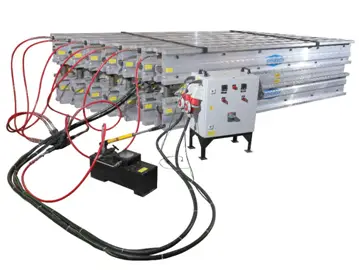
Synergy designs & manufactures Portable Belt Vulcanizing Press for Indian & Overseas customers for all types of Conveyor Belt such as Steel Cord Belt, Pipe Conveyor Belt, Steep Angle Belt and General Fabric Belt.
View All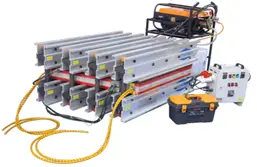
Low weight of the individual components. Pressure is applied via a full-surface pressure bag. Filled with compressed air or water.
View All
This press is used for Hot Jointing Sidewall and Cleat to Mother belt at site. The press is completely tailor-made as per belt profile.
View All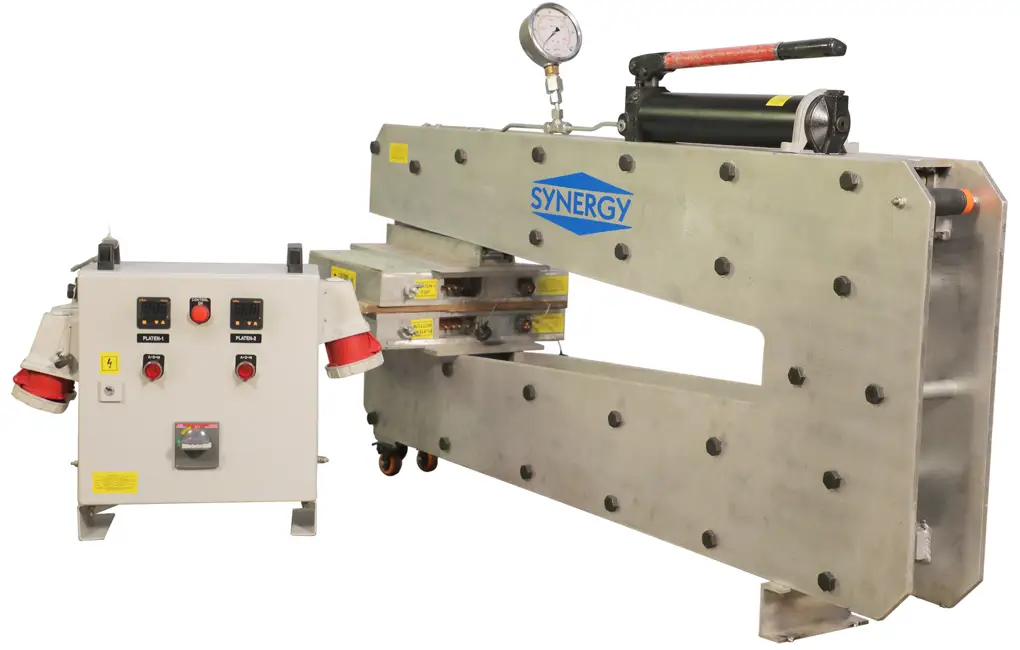
Pressure build-up by means of hydraulic light metal cylinders and high-pressure pump (manual or electric).
View All
We offer specially designed press which can repair a belt on site, to ensure extended belt life. With this press the longitudinal slit, localized damage, holes or any other similar external injury can be repaired.
View All
Electrical connection as per CEE standards. Exact temperature reading in each heating plate via thermo sensor PT 100. Electronic controller with digital display of actual temperatures.
View All
Consists of all the tools and tackles required for preparing the belt for splicing.
View All